
Mold prevention after water leak North County
Southern California is famous for its gorgeous sunshine and beautiful coastal breezes. However, our unique local weather patterns create surprising headaches for homeowners dealing with leaky pipes. The mix of beachy humidity and warm air acts like absolute rocket fuel for hidden fungal growth. Moving fast is your best bet to keep your living space safe and structurally sound. Let's look at how local weather shapes the rules for mold prevention after water leak in North County properties.
The Perfect Storm: Warm Air and Coastal Moisture
Our local weather sets the stage for mold to grow at a scary pace. When you pair high humidity with temperatures between seventy and ninety degrees, mold goes into overdrive. A tiny plumbing leak can turn into a massive environmental nightmare in less than two days. You cannot just ignore a wet spot and hope it dries on its own out here.
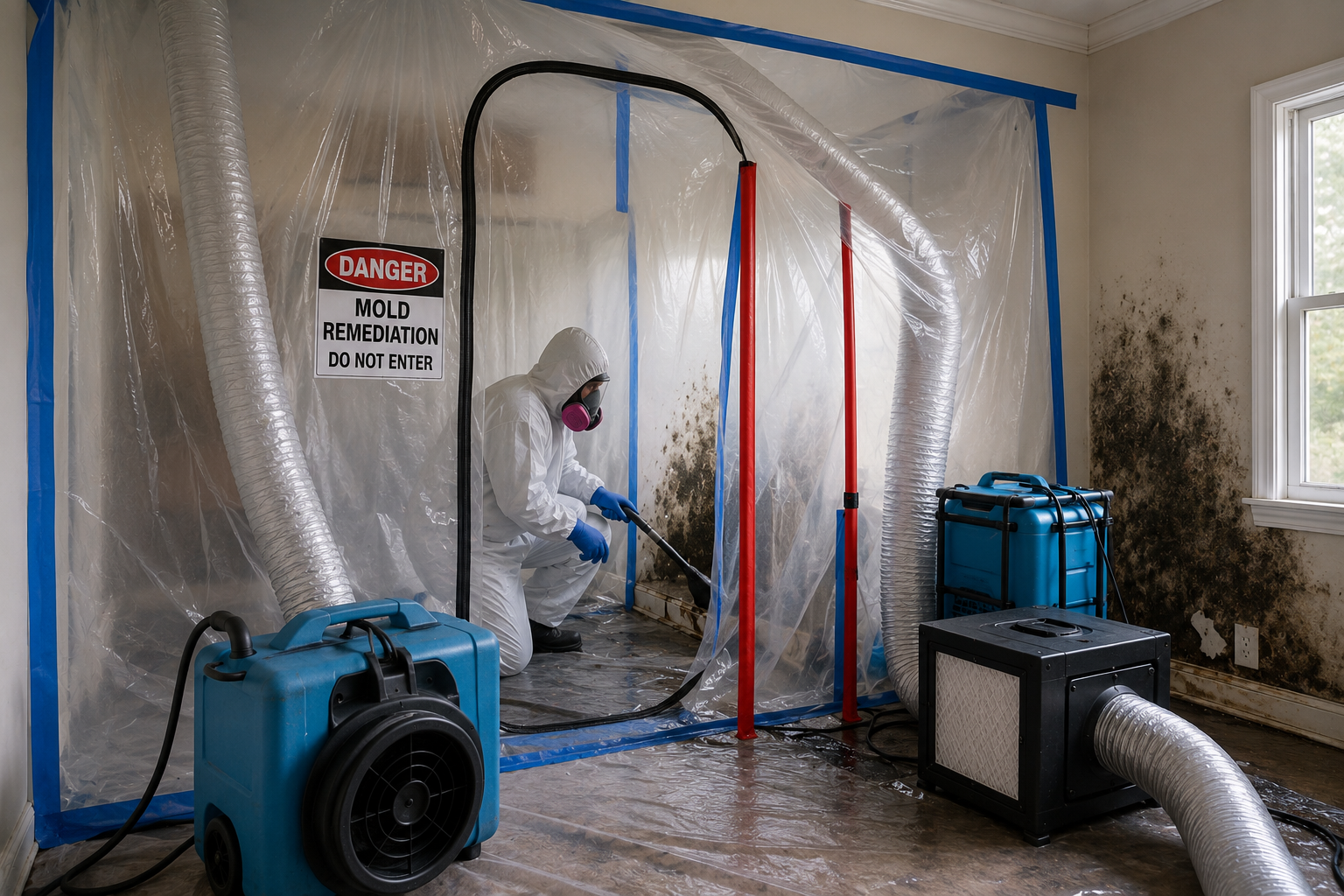
Professional crews have to work against the local climate to get your home truly dry. They cannot just open the windows because the damp outside air will slow the whole process down. Instead, they must seal the room and use heavy machinery to fight the ambient moisture. This aggressive approach is the only way to protect your walls from getting totally ruined.
Microclimates: Why Inland and Coastal Homes Dry Differently
Our regional geography creates totally different weather zones just a few miles apart from each other. These microclimates dictate exactly how moisture acts once it gets trapped inside your building structure. Property owners have to switch up their drying plans based on where their building sits on the map.
Regional Zone Average Humidity Drying Challenge Primary Mold Risk
Coastal Strip 70% – 80% Slow natural evaporation Surface mildew on walls
Inland Valleys 30% – 50% Trapped heat in dead air spaces Hidden growth behind drywall
Coastal homes take forever to dry naturally because the air is already holding a ton of water. Meanwhile, inland valley homes deal with intense heat that bakes moisture deep into tight attic spaces. Both situations require professional gear to pull the water out before mold takes over the place.
Step-by-Step: The Ultimate Post-Leak Dry Out Protocol
First, the crew finds the water valve and shuts off the leak to stop the flooding. Then they pull out the heavy-duty truck pumps to suck all the standing water off your floors. Next, they bring in industrial dehumidifiers to drop the room humidity way below fifty percent. This rapid drop is the secret weapon that stops mold spores from waking up.
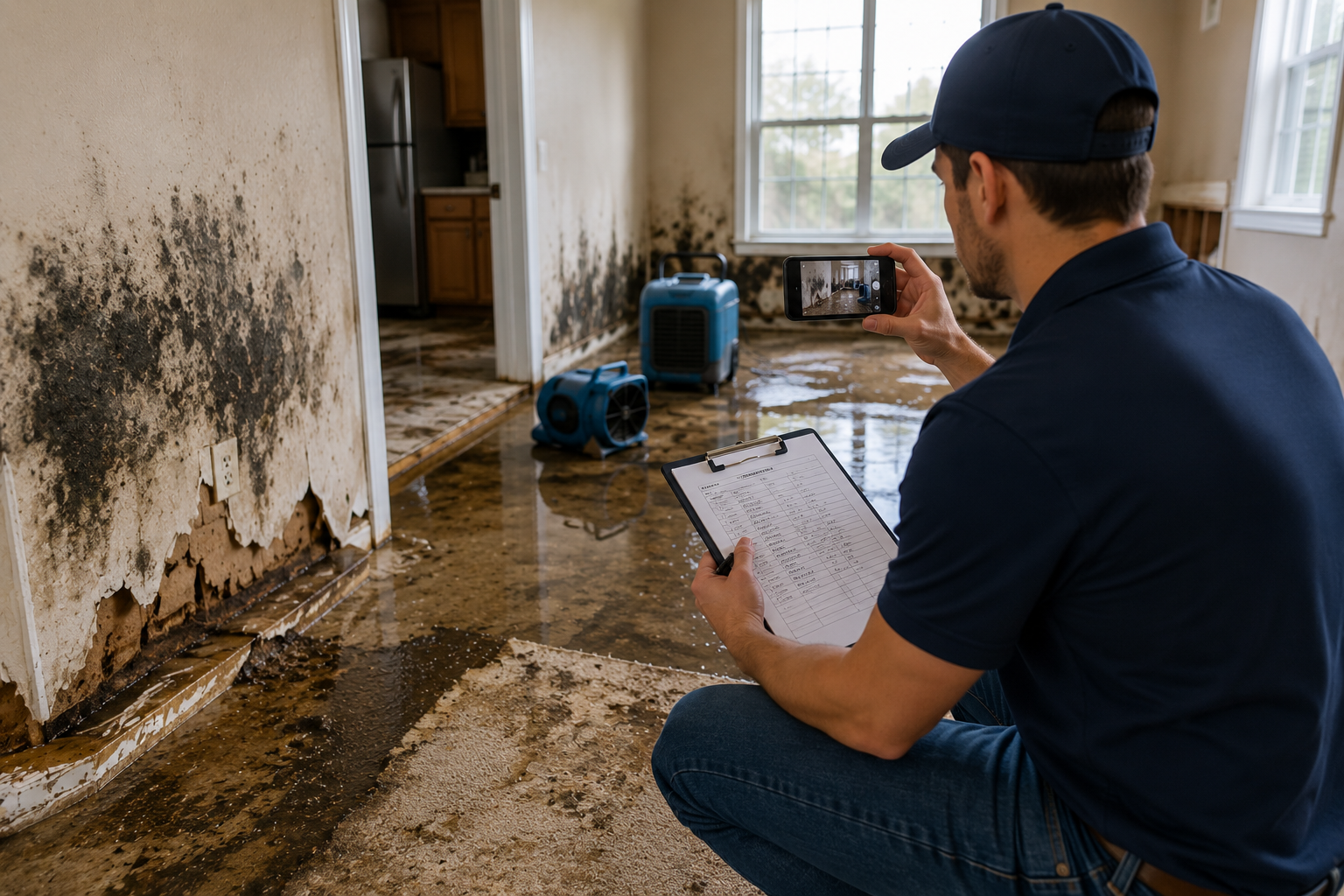
After that, they blast the walls with high-speed fans to force out the deeply trapped wetness. They use digital meters to check the wood framing until the numbers show it is totally safe. Finally, they spray a clear shield on the wood to keep future mold from ever coming back.
Beyond the Living Room: Commercial Buildings and Severe Damage
Fungus does not just attack small family homes or apartments in our neighborhood. Big commercial spaces with flat roofs and massive air units face huge risks during our seasonal winter rainstorms. When giant concrete floors and drywall networks stay wet, managers have to call for
office building mold removal in San Diego to protect their staff.
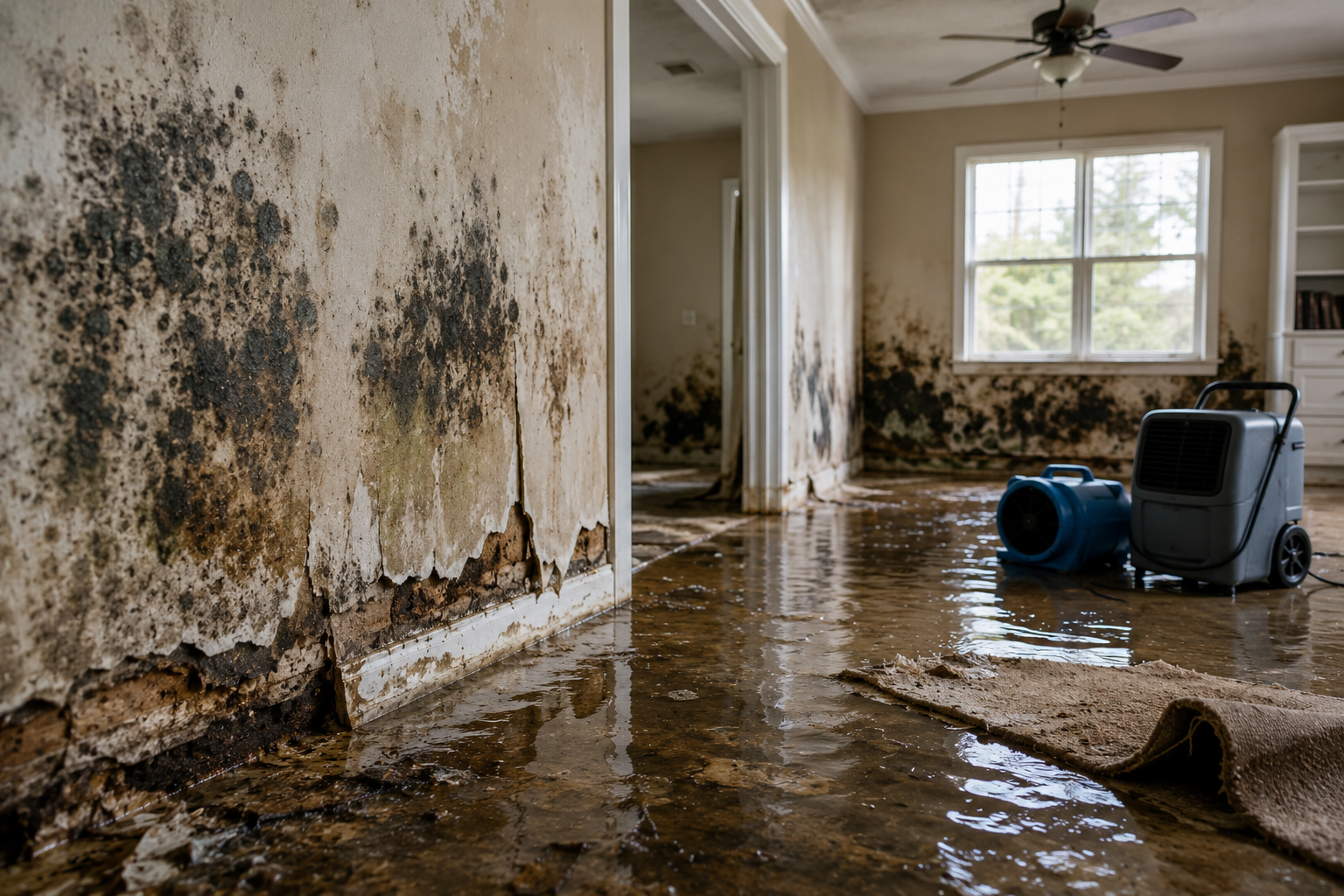
If a leak hides behind your bathroom tiles for months, simple drying tricks will not save the day. The water will rot the wood framing until the whole wall becomes a fuzzy, unsafe mess. Homeowners then have to graduate to full
North County mold removal after water damage to cut out the bad stuff safely.
Let Us Protect Your Property
Dealing with a sudden water mess can truly drive you crazy, but you do not have to tackle it alone. At
JB Water Damage Restoration, we know exactly how our crazy local weather impacts your home's health. Our friendly crew uses the best tools in the business to dry your place fast and keep your air clean.
We take every step to safeguard your family from toxic spores and long-term structural rot. Whether you need fast water extraction or expert
mold prevention after a water leak in North County, we are here to help you around the clock. Call us today, and let our team restore your peace of mind!
Frequently Asked Questions
Why does mold grow so quickly after a leak in Southern California?
Our local weather offers prime breeding conditions thanks to constant warmth and heavy coastal air. When a pipe leaks indoors, the trapped water combines with the warm room temperature. This perfect mix allows lazy mold spores to wake up and spread across your drywall in just a day or two.
Can I just use a regular household dehumidifier to prevent mold?
Small home dehumidifiers do not have the muscle to dry out thick building wood after a big leak. They fill up too fast and cannot lower the room humidity quickly enough to stop mold. Pros use giant industrial units that can pull dozens of gallons of water out of the air every day.
How do I know if the moisture is completely gone from my walls?
You can never trust a simple touch test to see if your walls are truly dry. Water loves to hide deep inside wall cavities behind fresh layers of paint where you cannot see it. Professionals use special thermal cameras and pinless meters to check the exact moisture levels inside the wall.
Is mold growth covered by standard property insurance policies?
Most insurance plans only pay for mold cleanup if it comes from a sudden, accidental pipe burst. If the mold grew because you ignored a slow leak for months, they will likely deny your claim. It is super important to call your insurance agent the moment you find a water problem.
You might also like