
2026 Guide to Water Damage Prevention and Repair in California
California homeowners face a range of water-intrusion risks—from plumbing failures to storms and coastal corrosion. This concise, practical guide explains common causes, early warning signs, prevention steps, and repair options, with actionable local considerations for places such as Oceanside and San Marcos, CA.
What water damage is and why it matters
Water damage happens when unwanted water soaks building materials, weakening structures and creating health hazards. Professionals classify incidents by contamination:
- Category 1 — clean water (e.g., supply line).
- Category 2 — gray water (appliance discharge, some contaminants).
- Category 3 — black water (sewage, flood runoff).
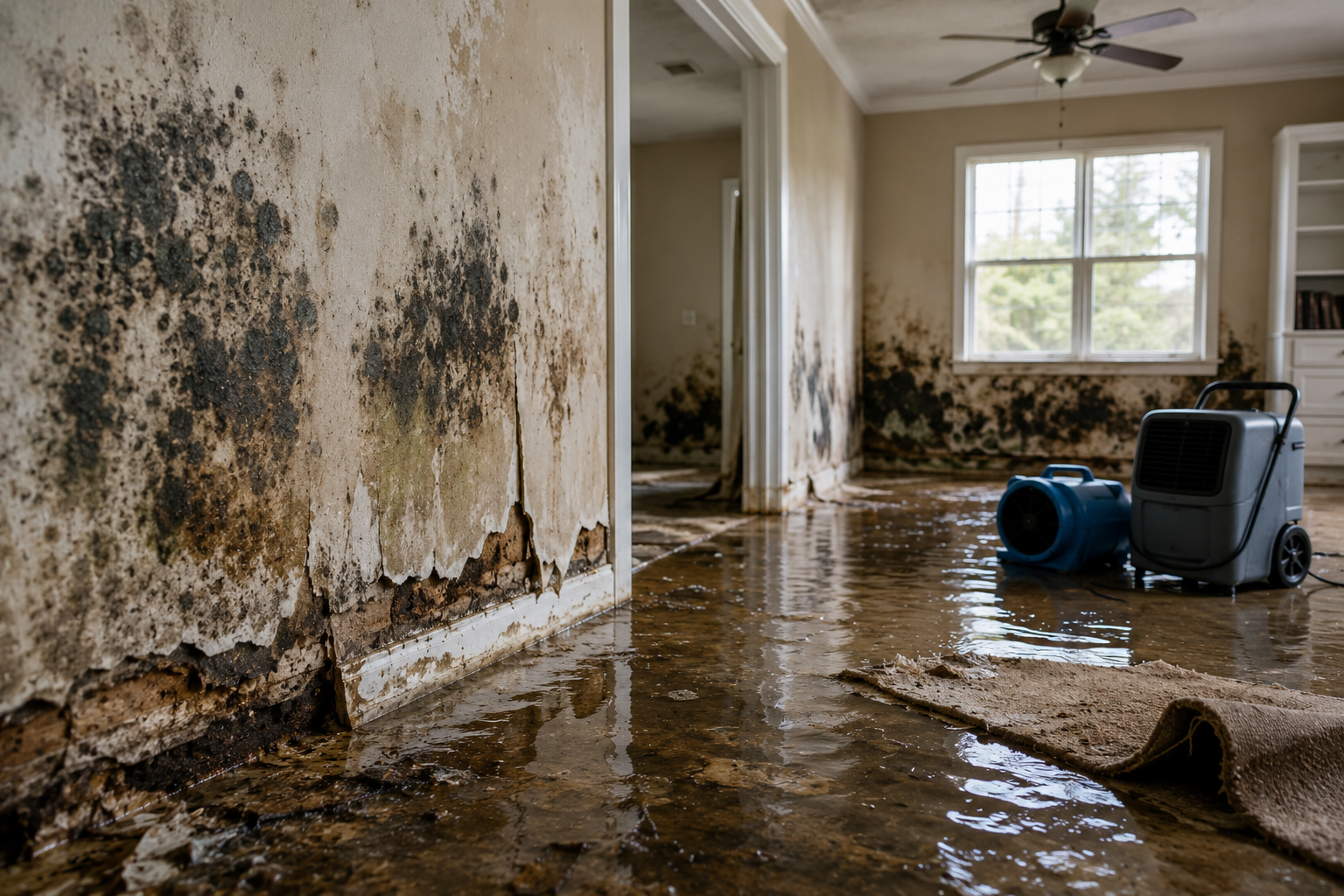
Porous materials—drywall, insulation, wood, and carpet—absorb moisture, swell, and lose strength. Mold can begin within 24–48 hours, and prolonged dampness leads to rot, staining, warped floors, warped cabinet faces, and compromised framing. Hidden pockets of moisture behind walls or beneath floors are common and expensive if missed. Fast, thorough drying is the single most important step to protect health and structure.
Common sources of household water damage
Most home Water Damage Repair in San Marcos, CA stems from a handful of failures:
- Plumbing leaks: Corroded or aging pipes, failed joints, and loose fittings. Even slow drips behind walls can cause major problems over time.
- Appliance failures: Ruptured hoses or failing tanks on washers, dishwashers, and water heaters can release large volumes quickly. Replace rubber hoses regularly.
- Roof and flashing issues: Missing shingles, damaged flashing, or clogged gutters allow rain into attics and ceilings—often unnoticed until staining appears.
- Gutter and grading problems: Blocked gutters or a poor yard slope send water toward foundations. Downspout extensions and French drains reduce risk.
- HVAC and condensation: Clogged condensate lines or malfunctioning units leak onto floors or into attics.
- Natural events: Heavy seasonal storms, coastal surge, and post-wildfire runoff can overwhelm drainage.
- Hidden leaks: Irrigation systems, sprinkler lines, and slab leaks saturate foundations and subfloors without immediate signs.
Addressing these causes through routine checks and targeted repairs prevents most incidents.
Simple preventive maintenance
A modest, consistent maintenance routine dramatically lowers risk:
- Inspect plumbing regularly: Check under sinks, behind toilets, and around appliances. Listen for drips and monitor your water meter for unexplained usage. Insulate exposed pipes to reduce the risk of damage.
- Service appliances: Replace washing machine and dishwasher hoses every 5–7 years. Use drip pans under water heaters and fridges. Tighten fittings annually.
- Keep roof and gutters clear: Clean gutters twice a year. After storms, inspect for missing shingles and damaged flashing. Fast repairs prevent leaks.
- Manage yard drainage: Ensure grade slopes away from the foundation. Install downspout extensions, dry wells, or French drains where water pools.
- Install leak detection and shutoffs: Place water sensors near heaters, washers, and under sinks; consider smart shutoff valves that cut water on detection.
- Ventilate and control humidity: Use exhaust fans and dehumidifiers; keep indoor humidity under ~60% to slow mold.
- Waterproof vulnerable spaces: Apply sealants in crawlspaces and basements; use vapor barriers over soil; install a sump pump with battery backup where groundwater is a threat.
These tasks are inexpensive relative to repair costs and can be scheduled seasonally.
Spotting problems early
Early detection limits the repair scope:
- Visual signs: Stains, discoloration, bubbling paint, sagging drywall, warped flooring, or peeling wallpaper.
- Odor: Musty, damp smells indicate hidden moisture or mold. Foul sewage odors point to sewer leaks.
- Condensation or humidity: Persistent condensation on windows or unexplained humidity often masks leaks.
- Mold spots: Any visible mold—dark, green, or white—signals a moisture issue.
- Water meter changes: Continuous water use when systems are off indicates a leak.
- Electrical risks: If water is near outlets or appliances, shut off power to the area before attempting cleanup.
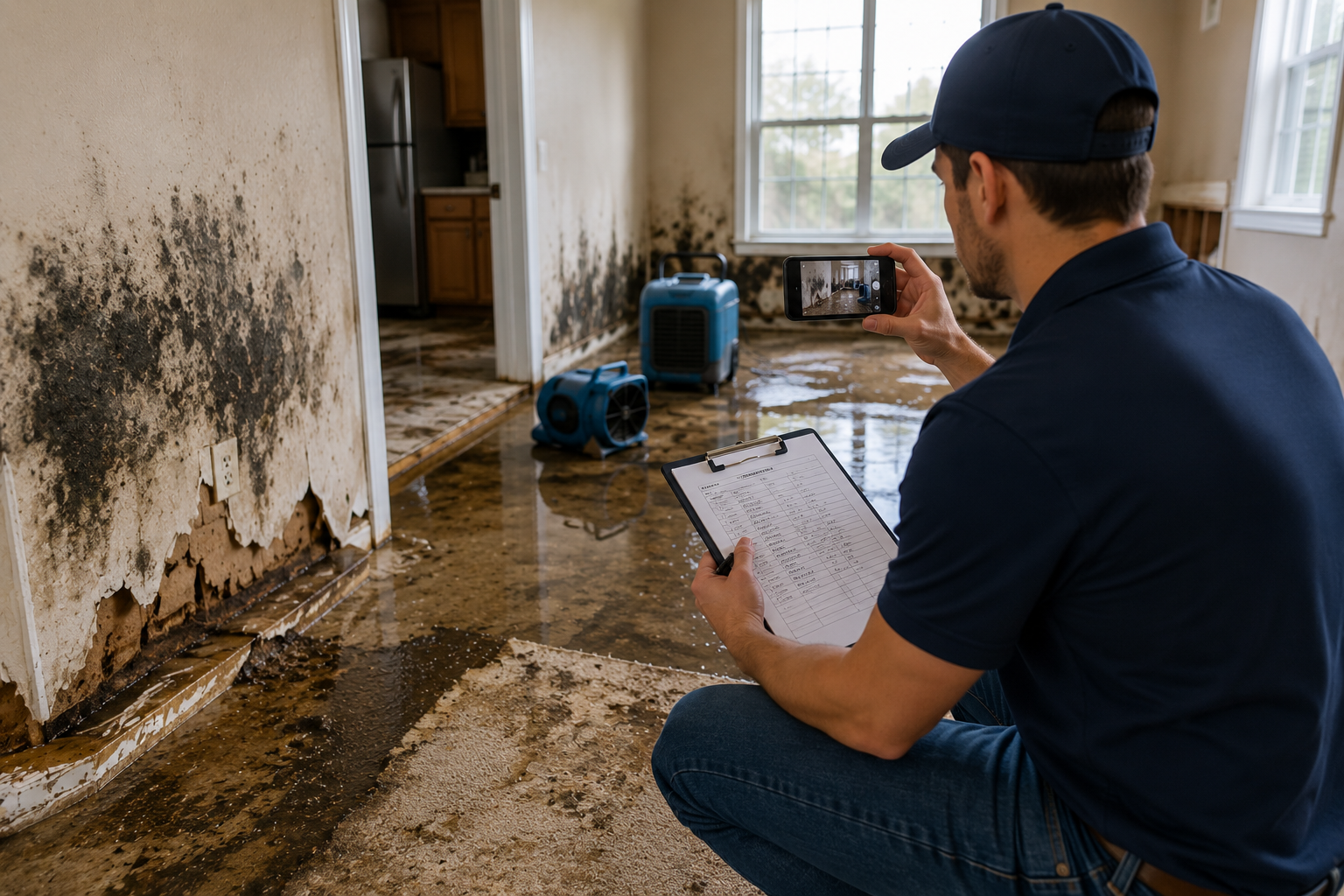
When you spot signs: document everything with time-stamped photos, stop the water source if safe, and begin extraction of standing water with mops or a wet vacuum. For contamination (sewage/black water) or large volumes, call professionals immediately.
Professional restoration: the typical process
For anything beyond a small spill, professional restoration reduces the risk of lingering damage:
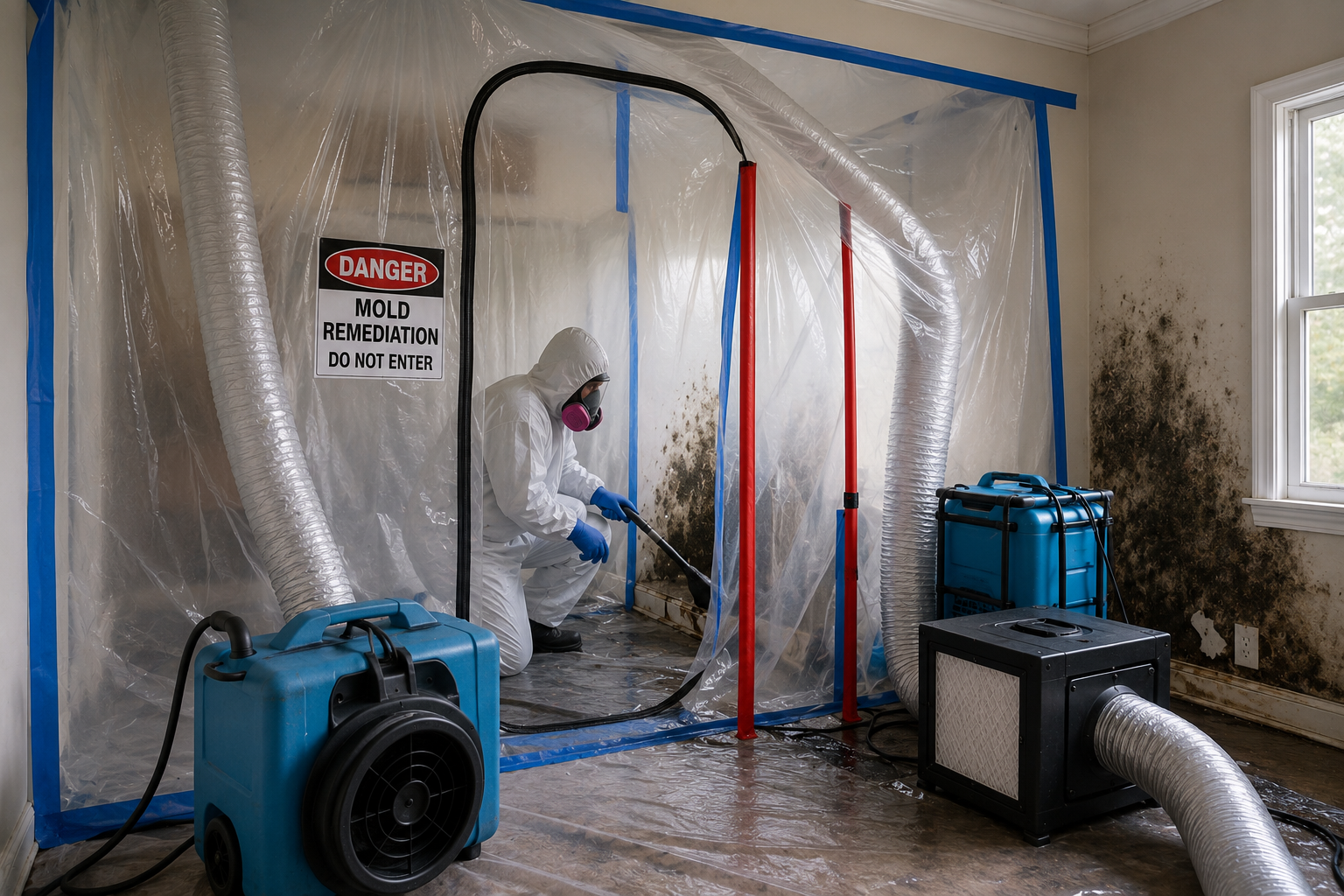
- Assessment and containment: Technicians locate sources, classify water type, and map moisture. Containment prevents cross-contamination.
- Water removal: High-capacity pumps and extractors remove standing water from carpets, hardwoods, concrete, and crawlspaces.
- Drying and dehumidification: Air movers and industrial dehumidifiers lower moisture to acceptable levels; technicians monitor with meters and adjust equipment until targets are met.
- Cleaning and sanitizing: Gray or black water incidents require antimicrobial treatments, HEPA vacuums, and specialized cleaning for fabrics. Some porous items are irreparably contaminated and must be discarded.
- Repairs and reconstruction: Replacement of ruined drywall, insulation, baseboards, and flooring; plumbing and electrical repairs are coordinated as needed. Licensed contractors ensure work meets code.
Restoration professionals follow industry standards (IICRC), provide documentation for insurers, and use equipment far more effective than consumer tools. Controlled drying and verification are what prevent mold and structural failures later.
DIY vs. hiring professionals
Small, clean-water incidents (a brief sink overflow or small appliance spill) can often be handled by homeowners using towels, fans, and dehumidifiers, provided drying begins immediately. But DIY has limits:
- Equipment power: Household fans and shop vacs lack the capacity of industrial air movers and extractors.
- Hidden moisture: Professionals use infrared cameras and moisture meters to find damp cavities; missed moisture leads to mold.
- Contamination risks: Gray/black water cleanup is hazardous and requires PPE and disinfection protocols.
- Insurance and permits: Large restorations are often handled by licensed pros and may require permits and coordination with adjusters.
When damage covers multiple rooms, involves contaminated water, reaches wall cavities or subfloors, or when you see mold, hire a restoration company.
Cost and insurance basics
Costs vary widely depending on the area affected, the water category, and the materials damaged. Clean-water incidents generally cost less than contamination scenarios. Typical considerations:
- Cost drivers: Size of affected area, water type (clean vs. black), flooring type, and whether mold remediation is needed.
- Insurance coverage: Homeowners policies usually cover sudden, accidental water damage (burst pipes, failed appliances) but exclude damage from neglect or maintenance failures. Flooding from external water and some sewer backups often require additional policies or endorsements.
- Deductibles and limits: Expect to pay the deductible; insurers generally pay to restore, not to upgrade systems for prevention.
- Claims tips: Photograph damage immediately, keep receipts for emergency work, and report promptly. Document all communications and steps taken to mitigate damage to strengthen a claim.
Budget for a small emergency fund even with insurance—some repairs may fall under deductibles.
California-specific considerations
California’s climate, coastal exposure, and regulatory environment change how homeowners should prepare:
- Mediterranean climate: Long dry spells can hide leaks until winter rains arrive; heavy seasonal storms can produce flash flooding.
- Coastal issues: Salt air accelerates corrosion in plumbing, so coastal homes (Oceanside, Carlsbad) should inspect water heaters and exposed pipes more frequently.
- Post-wildfire runoff: Burned hillsides increase runoff, eroding soil and sending ash into drains—improve grading and add debris traps after fires.
- Older homes and local codes: Older properties may lack backflow prevention or modern waterproofing. Verify contractor licensing (California CSLB) and ensure repairs meet local building codes. Restoration contractors commonly hold C-61 or B classifications for water work.
- Insurance nuances: Flood insurance is separate and important in risk zones; check NFIP and private options. Earthquake policies usually exclude water damage unless specified.
Hiring a local restoration firm ensures awareness of regional problems and faster response.
Practical checklist for immediate action
If you discover Water Damage Repair in Oceanside, CA, prioritize safety and mitigation:
- Shut off electrical power to the affected area if water reaches outlets or appliances.
- Stop the water source (main valve or appliance supply) if safe.
- Document with photos and notes.
- Remove people and pets from standing water.
- Extract standing water with mops or wet vacuums; don’t use household vacuums.
- Circulate air with box fans and run dehumidifiers once it's safe to use electricity.
- Move wet furniture and salvageable belongings to dry areas.
- Call professionals if contamination, large volumes, or structural damage is present.
- Notify your insurer promptly and keep receipts.
Acting fast reduces repair scope and helps with insurance.
Choosing a restoration contractor
Look for these qualities:
- Licensing and insurance: Verify CSLB license (C-61/B) and proof of liability and workers’ compensation.
- References and reviews: Check local reviews and ask for past job examples.
- Standards and equipment: Ask if they follow IICRC standards and what drying/monitoring equipment they use.
- Documentation and communication: Professionals should provide a written estimate, scope of work, and moisture-monitoring records for insurers.
- Local knowledge: A local firm will understand regional permitting and climate considerations.
Get multiple estimates when possible and verify credentials.
Conclusion
This comprehensive guide helps California homeowners understand how to prevent, detect, and repair water damage in practical terms. It underscores realistic trade-offs (time, cost, durability) and the importance of timely action to avoid costly problems like mold. The information here matches the principles used by local restoration experts; for example, Jb Water Damage Restoration follows these same best practices to safeguard properties in Oceanside, San Marcos, and surrounding areas.
Frequently Asked Questions
What are the earliest signs of water damage in a home?
Typical indicators include discolored or sagging ceilings, peeling paint or wallpaper, and warped or buckling floors. A musty or damp odor can signal hidden moisture. Even small signs like drips from pipes or pools under appliances should be checked immediately. Early detection allows faster fixes and prevents more serious damage.
How quickly can mold grow after water damage?
Mold can begin to grow very rapidly – often within 24 to 48 hours of water exposure. Warmth and humidity accelerate it. That’s why immediate drying is crucial. The EPA recommends starting cleanup of clean water damage within 24–48 hours to prevent mold growth.
Should I use fans or dehumidifiers after a flood?
Yes. Once standing water is removed, using fans and dehumidifiers helps dry out the area much faster. Aim to keep indoor humidity below about 60%. Running fans increases air circulation over wet surfaces, and dehumidifiers pull moisture from the air. Both are key steps to prevent mold while the space dries.
You might also like