Commercial Water Damage Restoration: What Businesses Need to Know

James Rosasco • January 23, 2026

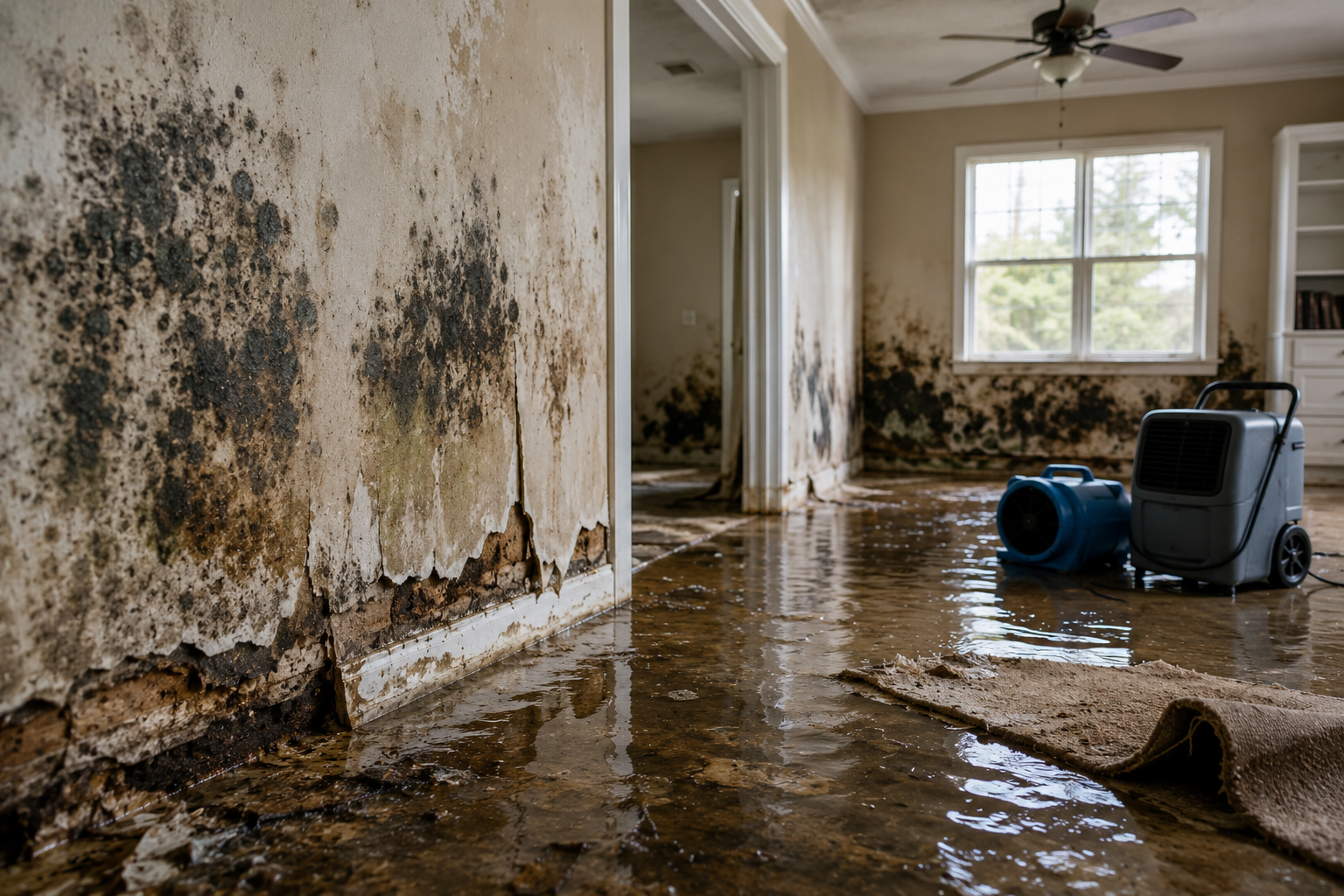
Commercial water damage can disrupt operations, harm property, and create safety hazards. This article explains what commercial water damage restoration involves, how businesses can respond, and what conditions influence recovery timelines and outcomes.


Understanding Commercial Water Damage Restoration

Commercial water damage restoration is the process of stabilizing, drying, and repairing a business property after water exposure. The priority is preventing secondary damage, maintaining safety, and returning the property to a functional state.


Key points include:

  • Water can enter from plumbing failures, roof leaks, appliance failures, weather, or sewer backups
  • Excess moisture can weaken structures, damage interiors, and promote mold growth
  • Timelines depend on water category, contamination, materials affected, square footage, and structural conditions
  • Business interruption increases the financial impact, making prompt stabilization necessary

Commercial restoration differs from residential work because properties often contain larger square footage, multilayer mechanical systems, specialized flooring, inventory, and compliance requirements. A structured response reduces preventable losses.


Common Causes of Water Damage in Commercial Properties

Water damage typically results from mechanical breakdowns, building envelope failures, or external water intrusion. Identifying the source early reduces spread and contamination.


Primary causes include:

  • Failed water supply lines and plumbing components
  • Backed-up drains, blocked wastewater lines, or sewage releases
  • Roof membrane deterioration and storm-related penetration
  • HVAC condensate issues or cooling tower failures
  • Fire-suppression system discharge
  • Flooding from nearby bodies of water or surface runoff
  • Appliance failures such as water heaters, boilers, or chillers

Each source category influences water quality, remediation requirements, and the need for documentation and compliance.


Initial Steps Businesses Should Take When Water Damage Occurs

A structured sequence prevents escalation and supports safe remediation. The first actions focus on controlling hazards and preserving documentation.


Typical procedures include:

  • Restrict access to wet areas to limit slip and electrical hazards
  • Shut off the water supply when possible and stop the mechanical sources
  • Disconnect impacted electrical systems if they are contaminated
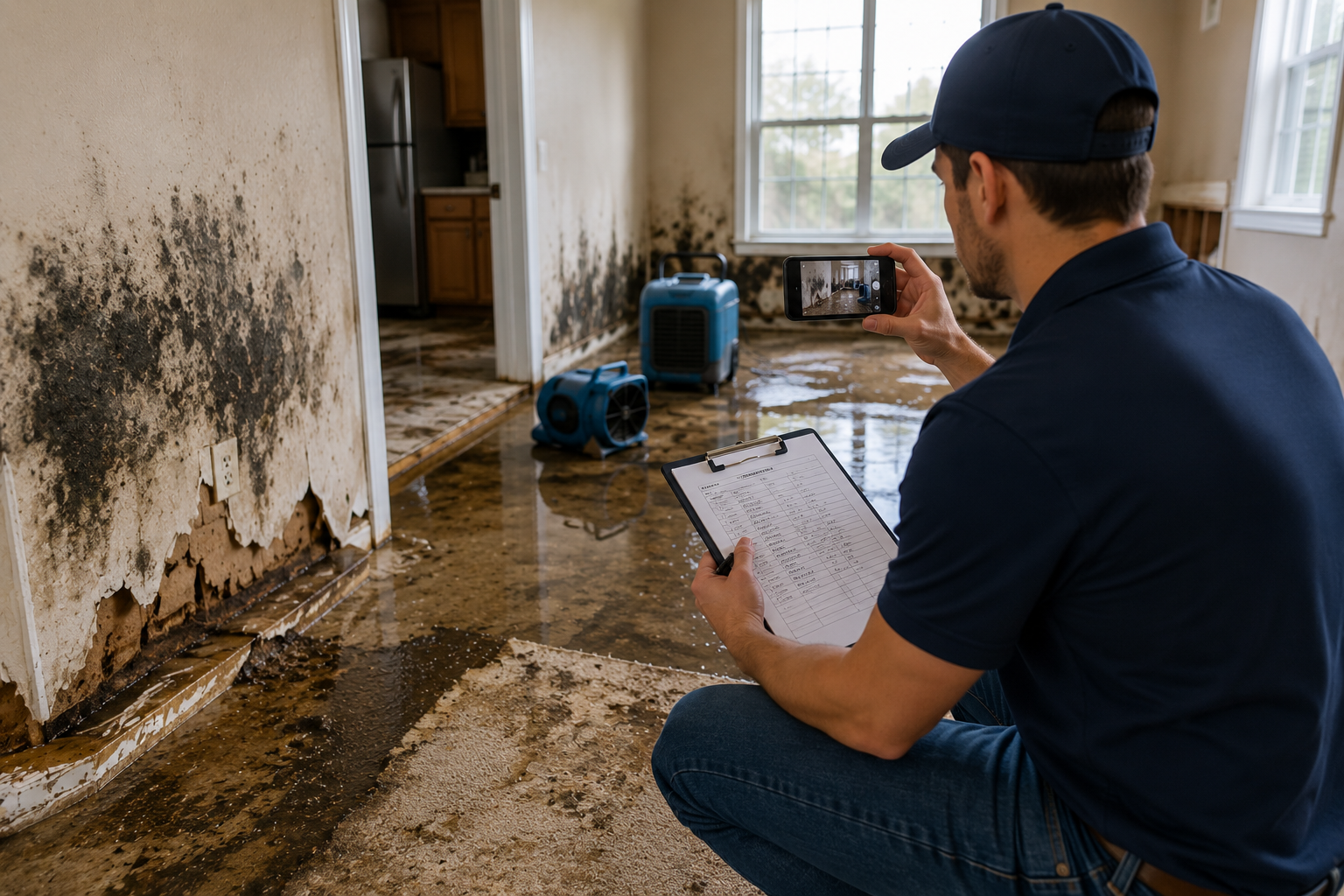
  • Document visible moisture, pooling, and item damage with images
  • Move inventory, electronics, and sensitive materials away from exposure
  • Contact facility maintenance teams and relevant insurers
  • Begin ventilation to limit humidity buildup

These steps stabilize the site until qualified remediation personnel arrive. They also support accurate loss reporting and claims review.


Why Rapid Moisture Control Matters in Commercial Settings

Moisture left inside a structure continues to migrate and deteriorate materials. Rapid stabilization limits chemical breakdown, microbial activity, and corrosion.


Moisture control affects:

  • Drywall, acoustic ceilings, and insulation, which lose structural integrity
  • Flooring systems, including carpet, adhesives, and wood finishes
  • Vapor barriers and subfloors that trap moisture if not dried properly
  • Steel components that corrode under sustained humidity
  • Indoor air quality outcomes in enclosed commercial spaces

A controlled drying process removes water in liquid and vapor form. It also supports accurate moisture readings before rebuilding.


Key Components of a Commercial Water Damage Assessment

Assessments determine the category of water, affected materials, and the required level of containment or disposal. A systematic review guides project planning.


Assessment typically includes:

  • Identifying the source and classification of water
  • Determining exposure duration and saturation depth
  • Using moisture meters or infrared scanning to trace migration
  • Inspecting wall cavities, ceilings, and floor assemblies
  • Evaluating HVAC and mechanical systems for contamination
  • Estimating material salvage vs. removal
  • Reviewing access requirements for large-scale equipment

The findings support documentation for business records, insurance review, and trade-specific repairs.


Drying and Dehumidification in Commercial Structures

Drying is the core function of restoration. Commercial spaces require scalable equipment to manage large volumes of air and moisture.


Typical drying processes include:

  • Negative-pressure containment when contamination is present
  • Strategic placement of air movers to accelerate evaporation
  • Desiccant or refrigerant dehumidifiers, depending on the humidity load
  • Continuous moisture reading and system adjustment
  • Removal of non-dryable materials when structurally compromised

Drying continues until readings confirm equilibrium moisture content for the specific material category.


Structural and Material Considerations in Commercial Buildings

Commercial buildings feature diverse construction materials that respond differently to water exposure. Restoration plans differentiate permeable, semi-permeable, and impermeable substrates.


Examples of material considerations include:

  • Concrete may trap moisture and require extended drying
  • Gypsum products lose structural value when swollen
  • Laminate and engineered products often delaminate
  • Commercial carpet tiles can sometimes be salvaged
  • Vinyl-backed flooring can trap moisture against subfloors
  • Insulation may require replacement depending on the category of water

Understanding these responses ensures that remaining structural materials perform safely after repairs.


Mold and Indoor Air Management After Water Events

Moisture supports fungal amplification under suitable temperature and nutrient conditions. Timelines are influenced by water category, exposure duration, and ventilation levels.


Indoor air management includes:

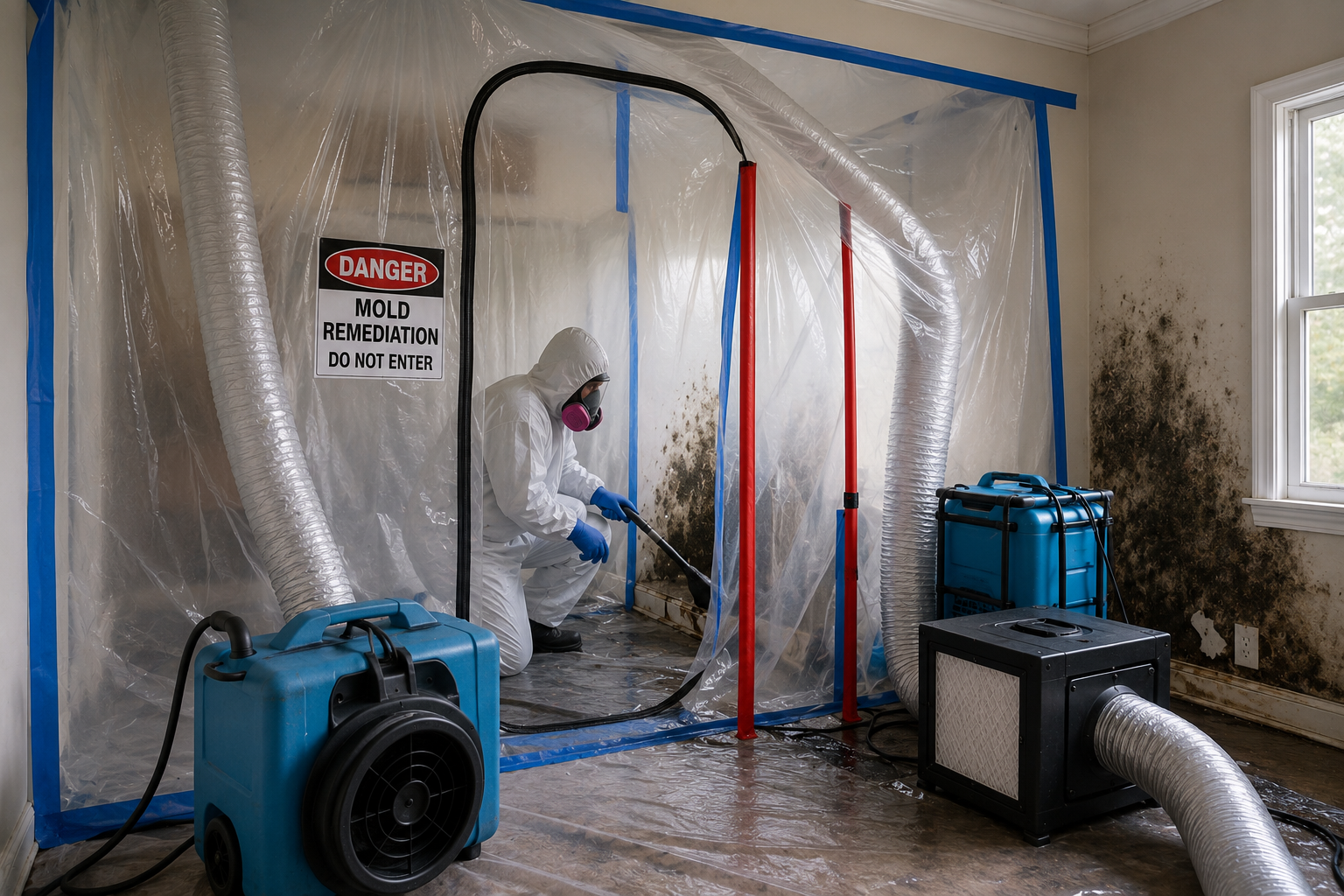
  • Isolating affected areas using barriers and pressure control
  • Using air filtration devices rated for fine particulate capture
  • Removing porous materials when contamination cannot be corrected
  • Cleaning exposed surfaces with appropriate solutions
  • Continuous monitoring for humidity stabilization

Air management protects occupants, prevents cross-contamination, and prepares the structure for re-occupancy.


Documentation, Insurance, and Recordkeeping Requirements

Commercial properties typically require formal documentation of conditions and actions. This supports claims activity, lease responsibilities, and regulatory compliance when applicable.


Standard documentation includes:

  • Cause of water intrusion and shutdown steps
  • Moisture readings at various stages of drying
  • Removal versus salvage decisions for materials
  • Costs associated with labor, equipment, and disposal
  • Business interruption details if relevant
  • Photographic evidence of affected areas

Accurate records reduce disputes and clarify responsibilities among property owners, tenants, and insurers.


Factors That Influence Restoration Timelines

Restoration duration varies because each project involves different building assemblies, water categories, and operational constraints. Timelines are not uniform across facilities.


Common variables include:

  • Square footage and saturation level
  • Water category classification
  • Age and type of building materials
  • Required removals and reconstruction
  • Indoor climate and ventilation systems
  • Availability of access for equipment and personnel

Complex facilities—such as medical buildings, data centers, and food-service environments—often require expanded environmental controls.


Returning Operations to a Functional State

Re-occupancy decisions depend on environmental safety, structural readiness, and compliance with any internal or regulatory standards.


Operational recovery may require:

  • Clearance of moisture-affected building cavities
  • Confirmation that humidity and temperature are stabilized
  • Verification of mechanical, IT, and electrical readiness
  • Replacement of removed finishes or structural materials
  • A plan for resuming personnel occupancy

A phased re-entry strategy reduces disruption and allows continued evaluation of building performance.


Preventive Planning for Future Water Events

Prevention reduces the frequency and severity of water incidents. Planning focuses on infrastructure maintenance, monitoring, and emergency readiness.


Preventive measures include:

  • Routine inspection of plumbing, roofing, and HVAC components
  • Monitoring devices for leaks, humidity, and mechanical failures
  • Documented emergency response procedures for personnel
  • Scheduled roof membrane and drainage assessments
  • Review of insurance coverage and business continuity

These measures limit downtime and support predictable remediation outcomes.


When Businesses Should Consult a Commercial Service Provider

Some water events exceed internal maintenance capacity due to contamination, scale, or structural exposure. External specialists can manage containment, documentation, and controlled drying.


Indicators that outside assistance may be appropriate include:

  • Water originates from sewage or other hazardous sources
  • Large structural areas require controlled demolition
  • Mechanical systems or inventory are affected
  • Mold is suspected, or the humidity cannot be stabilized
  • Occupancy safety is uncertain

If a local provider such as Jb Water Damage Restoration is contacted, businesses should request a defined scope of work and documentation standards.


Frequently Asked Questions


What is the priority when a business experiences water damage?

Ensure safety by controlling electrical exposure, restricting foot traffic, and stopping the water source if possible.


How soon can mold begin to develop after a water incident?
Under favorable indoor conditions, mold may begin forming within one to two days of uncontrolled moisture exposure.


Can commercial carpet be dried and reused?

Carpet tiles may be salvageable if the water is clean and drying occurs quickly, but sewage contamination generally requires disposal.


Final Thought

Commercial water damage requires systematic assessment, drying, documentation, and repair. Structured procedures support safe re-occupancy, limit secondary deterioration, and help maintain business continuity across future events.

You might also like
By Von a February 18, 2026
Homeowners in California, including those in Escondido, CA, need quick, effective action during an emergency water damage cleanup to limit harm. This guide presents essential steps: securing safety, stopping leaks, extracting and drying water, and sanitizing affected areas. It covers mold prevention and deciding when professional restoration is required under California conditions. Immediate Safety and Initial Assessment Ensuring personal safety and evaluating the extent of damage are the priorities after water intrusion. Power hazards: Turn off electricity (and gas if needed) at the main breaker to prevent electrocution or fire. Water conducts electricity, making even shallow standing water dangerous. Personal protective equipment (PPE): Wear rubber gloves, boots, and eye protection when cleaning up, especially if water is dirty or contaminated. Floodwater can contain harmful bacteria or chemicals. Structural risks: Stay out of rooms with sagging ceilings, buckling floors, or cracked walls. These signs indicate serious structural weakening from water. Quick documentation: If safe, take photos of visible damage before moving anything. This documentation helps with later insurance claims and damage assessment. Safety mistakes to avoid: Never enter standing water while power is on, and do not ignore strong odors (gas or sewage). Ignoring safety cues can cause electrocution or injury. Immediate action: Time is critical. Conduct a rapid visual assessment while maintaining safety. Any delay can lead to increased structural damage or health risks. Stopping the Water Source Once safety is ensured, stop the water flow at its source to prevent ongoing flooding. Locate shutoff valves: Identify and close the main water supply valve (often in a basement or utility area) to halt a burst pipe. For appliance leaks, shut off local valves (dishwasher, washing machine, etc.) first. Temporary fixes: If the leak is from a roof or exterior wall, use a tarp or sealant to slow water entry. Collect dripping water in buckets or basins until repairs can be made. Tools to have ready: Keep a water valve key or adjustable wrench near your main shutoff. Label the valve location so you can act immediately in an emergency. Consequences of delay: Continuing water flow will expand the damaged area. Even a small leak can pour hundreds of gallons in hours, worsening the cleanup required. Common errors: Failing to identify the correct valve or not shutting off any water source lets flooding worsen. Not stopping the source makes all subsequent steps more difficult. Prompt mitigation: Stop the leak before cleanup. If you cannot safely close a valve or find the source, focus on removing water and call a plumber or restoration company immediately. Removing Water and Drying the Area Remove standing water as fast as possible and dry affected spaces thoroughly to prevent secondary damage. Water extraction tools: Use a wet/dry vacuum, pump, or mops to remove standing water. Start in the lowest areas (basements, ground floors) so gravity can help. Furniture and contents: Move soaked furniture, rugs, and carpets out or lift them off the floor. If damp materials can be dried (like wooden chairs), elevate them on blocks to allow air circulation. Ventilation: Open windows and doors (if weather permits) to increase airflow. Place box fans and dehumidifiers to pull moisture out of the air and surfaces. Hidden moisture: Cut small holes at the base of wet drywall and along floors to let trapped water escape. Use a moisture meter to check behind walls or under floors that might still be damp. Drying focus: Pay special attention to walls, baseboards, and ceilings where water can hide. Drying may require running fans and dehumidifiers continuously for days. Equipment comparison: Rented submersible pumps remove large water volumes much faster than buckets. Wet/dry vacuums work for moderate amounts; towels and ordinary household fans are much slower and often insufficient. Mistakes: Do not use heat guns or hair dryers on wet surfaces (fire hazard). Avoid relying on regular home fans alone; professional-grade fans and dehumidifiers are far more effective. Timing: Begin extraction immediately. Even 24 hours of standing water can cause structural damage. Remember that mold can start growing within 24–48 hours on wet materials. Cleaning, Sanitizing, and Preventing Mold After removing water, clean and disinfect surfaces and materials to protect against mold and health hazards. Remove unsalvageable materials: Discard wet drywall, insulation, ceiling tiles, and carpet padding. Porous materials hold moisture and mold; tearing them out prevents hidden rot. Clean hard surfaces: Scrub floors, walls, and countertops with hot water and detergent. Then disinfect with a bleach-water solution (about 1 cup bleach per gallon) to kill bacteria and mold spores. Soft contents: Wash salvageable fabrics (curtains, bedding) on a hot cycle. Items soaked in floodwater (like mattresses or upholstered furniture) are often unsalvageable and should be thrown away. Prevent mold: Keep indoor humidity below 50%. Continue running fans and dehumidifiers during and after cleaning. Mold can begin in as little as 24 hours on damp surfaces. Use antimicrobials: After drying, applying a commercial antimicrobial spray or fogger can further inhibit mold growth on affected surfaces. Cleaning constraints: Avoid bleach on wood, metal, or colored fabrics (it can damage these materials). Use alternate cleaners (like vinegar solutions) on delicate surfaces. Common mistakes: Skipping disinfection or leaving wet debris behind allows mold to thrive. Do not delay these cleanup steps—mold grows quickly on organic materials. Inspection: Keep monitoring the area for musty odors or new stains. Continue drying until all materials are completely dry to the touch before restoring furniture or drywall. Handling Contaminated Water The source of water affects cleanup methods: clean water is handled differently than contaminated floodwater. Water categories: Clean water (Category 1) comes from supply lines or rain and is low risk. Gray water (Category 2) from appliances or sinks contains some contaminants. Black water (Category 3) from sewage or floodwaters is highly contaminated. Category 1: If water is clean (no sewage or chemicals), you can often do the cleanup yourself with a wet-vacuum and drying. Treat surfaces with disinfectant after extraction. Category 2: Wear gloves and a mask for gray water. Thoroughly disinfect all affected areas. When in doubt about contamination (e.g., toilet overflow without solids), professional cleanup is recommended. Category 3: Sewage or floodwater cleanup always requires professionals. Do not enter large areas of black water. Restoration crews have the training and gear for biohazard removal. Protective measures: Always wash hands and equipment after cleanup. Change out of wet clothes immediately. People with immune issues or respiratory conditions should avoid mold or contaminated areas. Mistakes: Never vacuum black water with household machines or pour it down drains. Using improper gear or cleaning agents on contaminated water can spread pathogens. Real-world risk: Exposure to black water can cause illness. Professionals follow safety protocols, such as removing and disposing of contaminated materials in sealed bags. When to Seek Professional Help Large-scale damage, contamination, or structural issues often mean it's time to involve a restoration company. Extent of damage: Call professionals if water covers more than one room, has been standing over 24 hours, or has soaked into walls or flooring. Flooding in basements or multi-story leaks usually require expert drying. Contaminated water: If there is sewage backup or rising floodwater, stop DIY efforts. Only specialized crews (with Hazmat protocols) should handle these hazardous cleanup situations. Structural concerns: Noticeable warping, ceiling sagging, or electrical and HVAC systems affected mean a pro should assess stability and safety. They can prevent collapse or hidden hazards. Professional equipment: Restoration teams use industrial-strength pumps, dehumidifiers, and moisture meters that achieve complete drying far faster than household tools. Insurance guidance: Some insurance policies require work by certified contractors for full coverage. Professional restoration firms understand claim processes and documentation requirements. DIY limitations: Attempting a large cleanup without experience can leave hidden moisture in walls or floors, leading to mold. Experts ensure a thorough drying so that problems do not reappear later. Insurance, Costs, and Budgeting Be aware of costs and coverage to prepare financially for water damage cleanup. Cost range: Minor water cleanup jobs often cost $1,000–$5,000, while extensive restorations (whole-house flooding) can range from $5,000–$20,000 or more. Insurance coverage: Standard homeowner policies usually cover sudden leaks (burst pipes, appliance malfunctions) but exclude flooding. Coverage for sewer backups or sump pump failures typically requires special add-ons. Documentation: Take photos of all damage before moving anything. Keep receipts for any cleanup supplies or rentals. These records help substantiate insurance claims. Out-of-pocket mitigation: If repairs are not covered, focus spending on rapid mitigation (pumps, fans, dehumidifiers). Quick action can reduce overall damage and save on restoration costs. Common pitfalls: Delaying the insurance claim or attempting major repairs without notice can lead to denied claims. Also, forgetting to budget for demolition and disposal of ruined materials often causes cost overruns. Budget planning: Factor in costs for replacing demolished drywall, flooring, and personal items. Inadequate budgeting for full cleanup often results in unexpected expenses. Local California Climate and Environmental Factors California's weather and geography create unique water damage challenges for homeowners. Heavy rains: California's wet season and atmospheric rivers can drop many inches of rain in hours. Urban areas can flood during these storms if storm drains back up. Wildfire aftermath: Burn scars from recent fires can no longer absorb rain. Heavy rain on charred hillsides often leads to flash floods or mudslides in affected neighborhoods. Coastal conditions: Near the coast, salty air and marine humidity accelerate corrosion of roofs and pipes. Persistent coastal dampness can keep buildings moist year-round, boosting mold risk. Windstorms: Strong Santa Ana winds may break branches or damage roofs. If rain follows windstorms, roof or gutter damage can translate to water entry in homes. Local search terms: Homeowners can search for Emergency Water Damage Cleanup in Vista, CA , to find nearby restoration services. Localized keywords help connect residents with fast, local assistance. Preparedness: Knowing these factors allows preparation: clearing gutters before rain, moving valuables off the ground in flood zones, and monitoring weather alerts can all reduce risk. Conclusion Quick, thorough cleanup is essential to protect health and property after water damage. Following these practical steps can reduce mold and structural issues while guiding homeowners on when expert help is needed. Local restoration companies such as Jb Water Damage Restoration understand California conditions and are ready to ensure complete recovery.  Frequently Asked Questions How quickly does mold begin growing after water damage? Mold can start growing within 24–48 hours on damp materials. Promptly drying and cleaning flooded areas is critical to prevent mold development. What safety precautions should I take during water damage cleanup? Shut off electricity and gas before entering flooded areas, and wear protective gear (gloves, boots, mask) if the water is contaminated. Check that floors and ceilings are structurally sound before walking on them. Can I handle a minor water leak cleanup myself? Yes, for clean water leaks (Category 1), homeowners can often do basic cleanup. Use a wet/dry vacuum to remove water, dry the area, and disinfect surfaces. For larger leaks or any contamination, professional restoration is recommended. When should I call a professional water damage restoration service? Seek professional help if water covers a large area, has been standing over 24 hours, or is contaminated (e.g., sewage). Experts have specialized equipment to fully dry, sanitize, and repair extensive or hazardous damage. Will homeowner’s insurance cover water damage cleanup? It depends. Most policies cover sudden leaks or overflows (like burst pipes) but exclude flood damage. Sewer backup and sump pump failures often require extra riders. Always report damage promptly and submit documentation for your claim.
By Von a February 18, 2026
Water damage emergencies require fast decisions, but effective outcomes depend on local conditions. This article explains why regional knowledge is critical for emergency water removal in California, including climate, construction, regulations, and response logistics. It also outlines how local factors affect Emergency Water Removal Services in Escondido, CA, and surrounding communities. Regional Climate and Environmental Factors California’s varied climate creates location-specific water damage risks. Heavy rains and floods: Mountain runoff and seasonal storms can cause flash floods in foothills and valleys. In Escondido, about 16.1% of properties face flood risk today, requiring readiness for sudden inundation. Coastal storms may flood streets and low areas; sandbags and pumps are often needed to protect homes. Drought and wildfire effects: Prolonged dry spells can crack foundations and increase runoff when rains return. After wildfires, burned hillsides have less vegetation to absorb rain, raising mudslide and flooding hazards. Coastal factors: In beach cities like Solana Beach, Emergency Water Removal Services in Solana Beach, CA must consider salt-air corrosion and high humidity. Saltwater intrusion can damage plumbing and appliances, and higher humidity slows drying, requiring corrosion-resistant equipment. Soil and drainage: Local soil types (clay vs. sandy soils) and drainage infrastructure affect how water pools. Coastal areas often have sandy soil with fast drainage, while inland basins with clay soils hold standing water longer. Seasonal patterns: Southern California’s rain mostly falls in winter; even a short downpour can overwhelm drainage. Local experts anticipate these patterns and stage equipment before storms. California’s climate influences water damage. Coastal communities may see flooding from storms and tides, while inland valleys risk flash floods from heavy rains. Local restoration teams know which areas flood first and prepare pumps or barriers accordingly. Construction and Infrastructure Differences Home construction styles and materials vary by region, affecting water intrusion and drying needs. Foundation types: Many Southern California homes lack basements; instead, they have slabs, crawlspaces, or pier-and-beam foundations. Slab foundations can trap water underneath, while crawlspaces need thorough drying to avoid mold. Local technicians know common regional foundation designs. Building materials: Wood framing, stucco exteriors, and porous materials are common in California. These materials absorb water differently from concrete or brick, requiring specific drying techniques. Coastal buildings may use rust-prone metals or special sealants that local pros recognize. Age of homes: Older houses may have outdated plumbing or no vapor barriers, while newer builds follow stricter codes. Local experts know which neighborhoods have older infrastructure that can fail during floods. Plumbing systems: Regional knowledge of local plumbing standards matters. For example, Escondido’s older homes may use cast-iron drains that corrode over time. Local crews are familiar with such issues and test for hidden leaks. Building codes and designs: California building codes (like earthquake retrofitting) can influence ceiling height and wall thickness. Local restoration teams account for these details when removing water or cutting drywall. Effective local restoration accounts for these construction details. Professionals tailor their approach to a home’s design – for instance, carefully pumping water from under slab foundations or using plastic sheeting on crawlspace dirt floors to prevent moisture rise. Response Times and Accessibility A local company can respond faster, reducing damage and mold growth. Rapid dispatch: Local crews can arrive within hours, whereas out-of-area teams may take much longer. Every hour counts – mold can begin growing 24–48 hours after exposure. Quick water extraction and drying limit this risk. Neighborhood logistics: Local technicians know traffic patterns and alternate routes, ensuring they reach the home as soon as possible, even during peak hours or after a storm. They have multiple routes mapped out for their service areas. Equipment readiness: Nearby service centers keep pumps, vacuums, dehumidifiers, and other equipment on standby for the region’s needs. This avoids delays from shipping or long travel. Local supply chains: Spare parts are stocked locally, enabling faster repairs. Professionals can replace a burst local water line immediately without waiting for distant suppliers. Availability: Familiarity with the area means local firms often offer true 24/7 emergency service, because staff live in or near the community. In a water emergency, turning off the source is immediate first aid, followed by fast cleanup. Local responders arrive sooner to pump out water and set up drying equipment, which drastically limits damage. Their quick action reduces the chance that moisture seeps deeper into walls or encourages mold. Local Regulations and Insurance Considerations Local knowledge ensures compliance with California codes and efficient insurance claims. Building and health codes: California law requires thorough dry-out and mold remediation after water damage. For example, Chino Hills enforces codes that mandate proper drying and mold removal in restorations. Local experts understand these rules and follow them, avoiding fines or the need for redo work. Permits and inspections: Some repairs need local permits. Neighborhood specialists know which fixes require approval and streamline the process with city inspectors. Insurance coverage: Local insurers and public adjusters know standard coverage. Usually, homeowners’ insurance covers sudden leaks, but not flooding from creeks or coastal surge. For example, properties in flood zones may require separate flood policies. Local firms can advise on this nuance. Documentation and timing: Local companies are familiar with regional insurance adjusters and their paperwork. They help homeowners document damage following insurer protocols, speeding claim approvals. Keeping records of minor previous issues can also assist local claims. Working with a local team reduces confusion. They clearly explain what types of incidents insurance will cover and guide homeowners to prepare the necessary documents. By aligning cleanup work with local regulations, they prevent delays that might occur if noncompliant methods were used. Common Mistakes in Water Removal Ignoring local factors often leads to incomplete restoration. Incomplete drying: A common error is assuming a room is dry without checking hidden areas. In humid coastal regions, moisture can linger behind walls or under cabinets. Local professionals use moisture meters and thermal imaging to find trapped water that amateurs might miss. Ignoring mold risk: Homeowners may overlook mold prevention. California’s warm climate can accelerate mildew; mold can start within 24 hours of a leak. Without immediate sanitization and dehumidification, microscopic spores spread. Local teams proactively apply antimicrobial treatments. Using wrong materials or methods: For example, using bleach on a leaky roof near the ocean can fail because salt residue interferes with cleaning. Or using a fan without a dehumidifier in a humid area can just blow moisture around. Local expertise ensures the correct combination of equipment for the environment. Underestimating contamination: Some water incidents seem minor but involve biohazards. Treating these as “clean” water is dangerous. A local restoration company recognizes when a contaminated cleanup is needed, ensuring proper PPE and disposal. Neglecting prevention: Forgetting to clear gutters or failing to install sump pumps after past floods leads to repeat issues. Local firms often advise clients on lasting fixes to prevent recurrence. These mistakes highlight why area-specific experience is vital. Local professionals know to remove baseboards, drill weep holes in walls, or remove wet drywall to prescribed heights. They avoid shortcuts that save money in the moment but cost far more if moisture returns. Water Removal and Restoration Steps Professional remediation follows a clear, thorough process tailored to local conditions. Assessment and categorization: Technicians first identify the water source and the affected areas. This determines the safety measures and cleaning methods. For instance, floodwater from Solana Beach streets may carry salt and pollutants needing special handling. Extraction: Standing water is removed using pumps or vacuums. In homes on slabs, crews may drill small holes to drain trapped water. They carefully pump out basements or patios, considering local drainage. Drying and dehumidifying: Industrial fans and dehumidifiers are set up. In humid coastal regions, extra dehumidification is crucial. Technicians monitor humidity until it reaches normal indoor levels. In drier inland areas, strong air circulation prevents wood from warping. Cleaning and sanitizing: All surfaces are cleaned and disinfected. Contaminated materials are removed. For Category 3 water, teams ensure disposal follows health codes to prevent illness. Structural repairs and restoration: Once dry, damaged structures are repaired or rebuilt. Local contractors may replace materials with those suited for the region. Throughout, moisture readings verify that work is complete. Experts often remind homeowners: first, shut off water sources like leaking faucets or broken pipes. Then they extract water and dry everything thoroughly. They document each step and follow up to ensure the home stays dry. Local teams account for specific construction – for example, making sure to dry under ceramic tile in an Escondido home or behind wall tiles in a Solana Beach bathroom – so that no moisture lingers. Cost and Timeline Considerations Repair costs and recovery time depend on the extent and response speed. Damage scale: Small leaks (Class 1) may cost only hundreds of dollars, while major floods (Class 3 or 4) cost much more. For example, class 3 (severe flooding or sewage) often runs $1,100–$3,200. Class 4 (specialty drying, like soaked hardwood or concrete) can exceed $20,000. Water type: Clean water (from a faucet) is cheapest to fix (perhaps $3–$4 per sq ft), since it only needs drying. Contaminated water (from a sewer or storm debris) is costlier ($7+ per sq ft) and may require replacing drywall or flooring. Local labor rates are fairly standard, but contaminated jobs take more time and materials. Timeliness: Acting quickly reduces costs. Every hour water sits raises moisture levels. As noted by restoration experts, prompt restoration prevents mold and structural damage, ultimately saving money. Delays can double repair time if, for example, mold remediation becomes necessary. Insurance coverage: Proper documentation and compliance with local regulations help maximize coverage. If a flood is covered, insurers often want evidence of timely mitigation. Local professionals know what paperwork (like moisture logs or permits) insurers expect. Downtime and disruption: Emergency jobs are usually prioritized, but the timeline still depends on drying needs. A moderate leak might dry in 1–2 days, while a basement flood may take a week. Local experts set realistic schedules: for instance, they know Southern California’s ambient humidity can extend drying time unless dehumidifiers run continuously. In practice, costs vary widely with each home’s specifics. Homeowners should weigh hiring certified pros against the risk of hidden damage. In all cases, local expertise tends to limit overall costs by preventing repeated repairs or fines for noncompliance. Local Versus National Restoration Services Local companies often offer faster, tailored responses compared to larger chains. Familiarity: Local teams understand the community and geography. Their technicians are often neighbors and already know local building conditions and codes. They may have experience with area-specific problems, like coastal corrosion or basin flooding. Responsiveness: Smaller local firms can schedule jobs quickly and communicate directly. National brands may have more rigid scheduling or transfer calls between offices. In contrast, a local business can dispatch a known crew immediately when a resident calls. Community investment: Local businesses depend on their reputation in the area. They may go the extra mile to ensure satisfaction. For example, they might offer more personalized advice on preventing future water issues. Resources and coverage: National chains might have more equipment or teams, which is helpful after large disasters. However, they may be deployed from far away, delaying local service. Local firms can mobilize quickly in smaller events. Costs and contracts: Pricing can be similar, but local companies might charge less overhead. Some national companies have standard packages, while local experts can provide customized estimates based on a specific home and region. Choosing between local and national services involves trade-offs. A local provider brings area-specific knowledge and often faster on-site action; a national chain may offer broader liability coverage. In either case, ensuring the provider is certified and adheres to regional codes is key to a successful restoration. Conclusion Local expertise significantly improves emergency water removal outcomes. By tailoring responses to California’s climate, building styles, and regulations, trained technicians help prevent mistakes like hidden moisture or code violations. Homeowners can make clearer decisions knowing factors like response time, local codes, and insurance rules have been addressed. Jb Water Damage Restoration emphasizes these practical details for reliable recovery.
Flooded basement with a pump; dark water reflects windows and walls.
February 7, 2026
Learn how water damage restoration works in Carlsbad homes, including cleanup steps, drying timelines, insurance tips, and common mistakes to avoid.

Book a Service Today